
The deterioration of the situation at the southern entrance to the Red Sea and which alternative routes remain has been described since mid-September. This article updates the situation picture to the status of 19 September 2026. Three points are new: the assessment drawn by IMO Secretary-General Arsenio Dominguez on 17 September 2026; clarification of which chokepoint the core figures actually apply to; and the observation that a substantial portion of Asia-Europe services are now using the passage again.
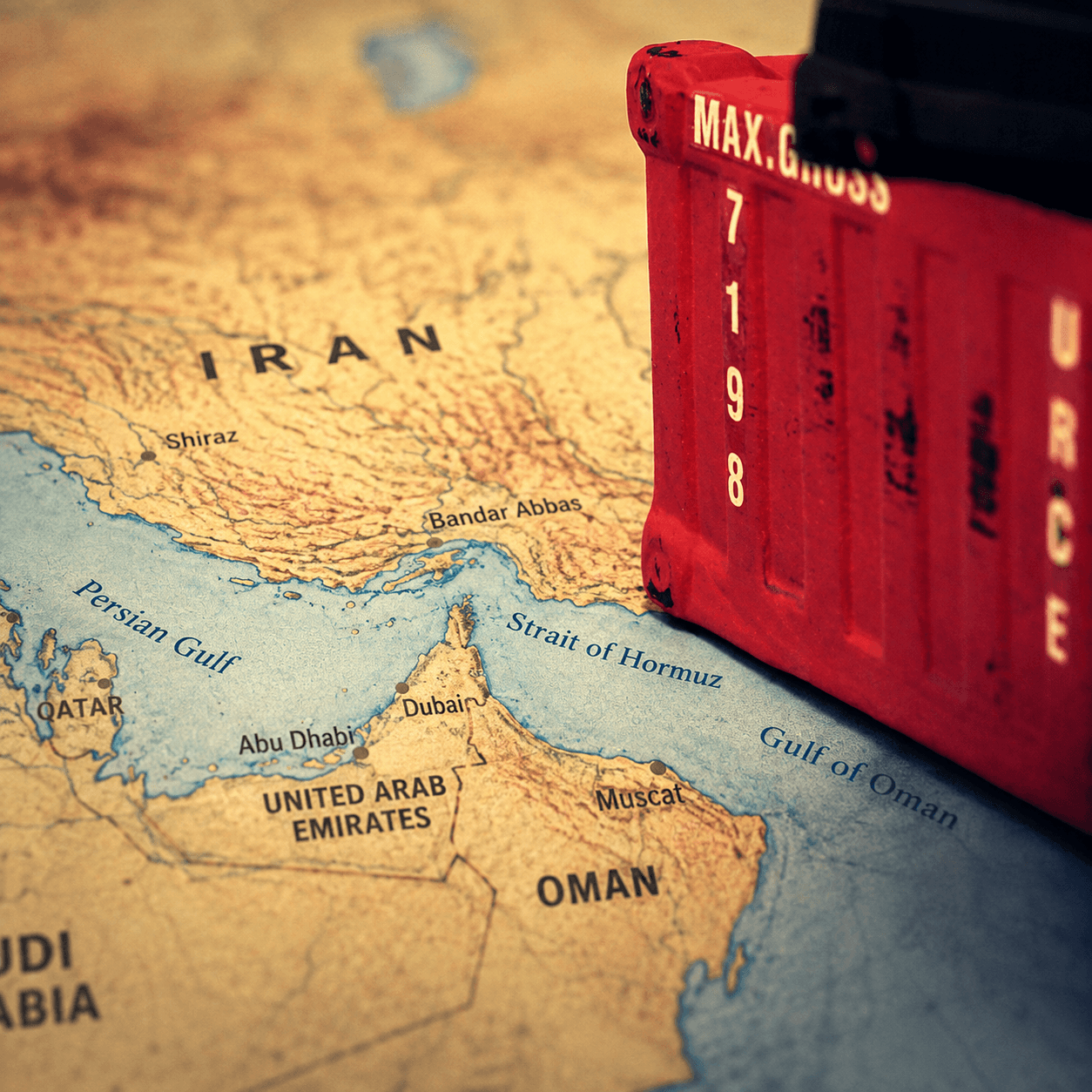
The IMO has confirmed eighty attacks on merchant vessels and at least 22 seafarers killed since 28 February 2026. Crucial for route assessment is where these attacks took place: the figure refers to the Strait of Hormuz and its vicinity, not the Bab al-Mandab. The Red Sea is listed separately by the IMO. In the most recent Houthi attack on a merchant vessel on 11 August 2026, four seafarers lost their lives. Those who attribute the eighty attacks to Bab al-Mandab are weighting the risk at the wrong chokepoint.
Along the Yemeni Red Sea coast, Houthi control has further consolidated according to reports through 18 September 2026. The strait is not thereby blocked, but is already under constant observation and threat.
At the same time, part of traffic is again passing through. Freightos reports approximately 19 percent of Asia-Europe volumes via the Red Sea for September 2026, carried by three of the four alliances. This is not a signal of a reliably open route: shipping lines decide based on vessel, cargo, flag, insurance, and current security situation, and a short-term rerouting remains possible at any time.
The alternative remains the route around Cape of Good Hope. What matters for calculation is less the principle than the range: Le Monde cites at least ten additional days, Al Jazeera puts the surcharge for affected services at over twenty transit days. Those planning only with the lower figure underestimate the variation depending on service and port sequence.
For Swiss shippers, therefore, the problem is less the route itself than its predictability. A confirmed booking can show a schedule via Suez and later still be rerouted to the Cape route. Before confirmation, it should be clarified whether the freight forwarder expressly reserves the right to reroute around Africa, which bunker, war risk, and rerouting surcharges then apply, and whether cargo insurance includes or excludes war risks.