
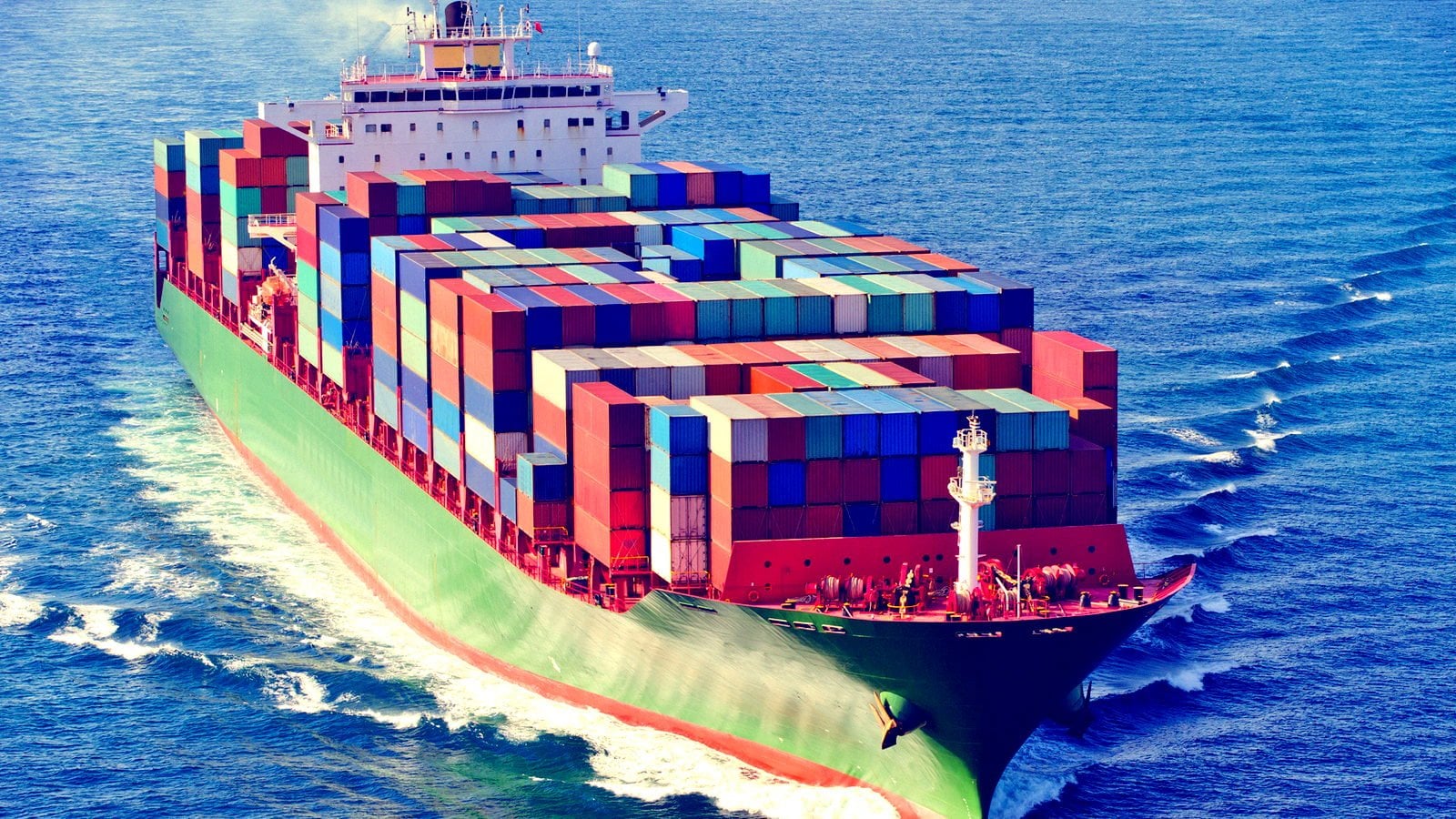
The return of individual container services to the Suez Canal route could increase pressure on Asia-Europe freight rates. The Loadstar reported this on October 6, citing Linerlytica. At the same time, additional new vessels and canceled departures around China's Golden Week are affecting capacity.
The connection is practical: when a service takes a shorter route, it can operate its rotation with less vessel time tied up. This can theoretically free up capacity. However, how strongly this effect impacts the market depends on which services actually return and how shipping lines adjust their schedules.
A complete return of all providers should therefore not be expected. The report cites both shipping lines that have already returned and ongoing security concerns from other stakeholders. For an individual booking, the confirmed route of the intended service is decisive. A general market report does not replace this information.
In parallel, shipping lines are attempting to enforce higher rates. The announced new MSC FAK rates from October 19 are stated pricing targets. FAK stands for a general freight tariff for various commodity types. Whether customers actually pay this price depends on supply and the individual contract. It should therefore not be presented as an already achieved market price.
Shippers should also review the arrival date when routing has changed. A shorter sea route can impact warehouse schedules, customs preparation, and booked onward transport. Earlier arriving containers are only an advantage if pickup and goods receipt are also ready.
For freight forwarders, a comparison of complete quotations is recommended. In addition to price, route, surcharges, and potential schedule changes should be discussed. A lower rate alone says little about whether the connection meets the desired delivery date. The security situation should also be reviewed with the transport partner before departure.