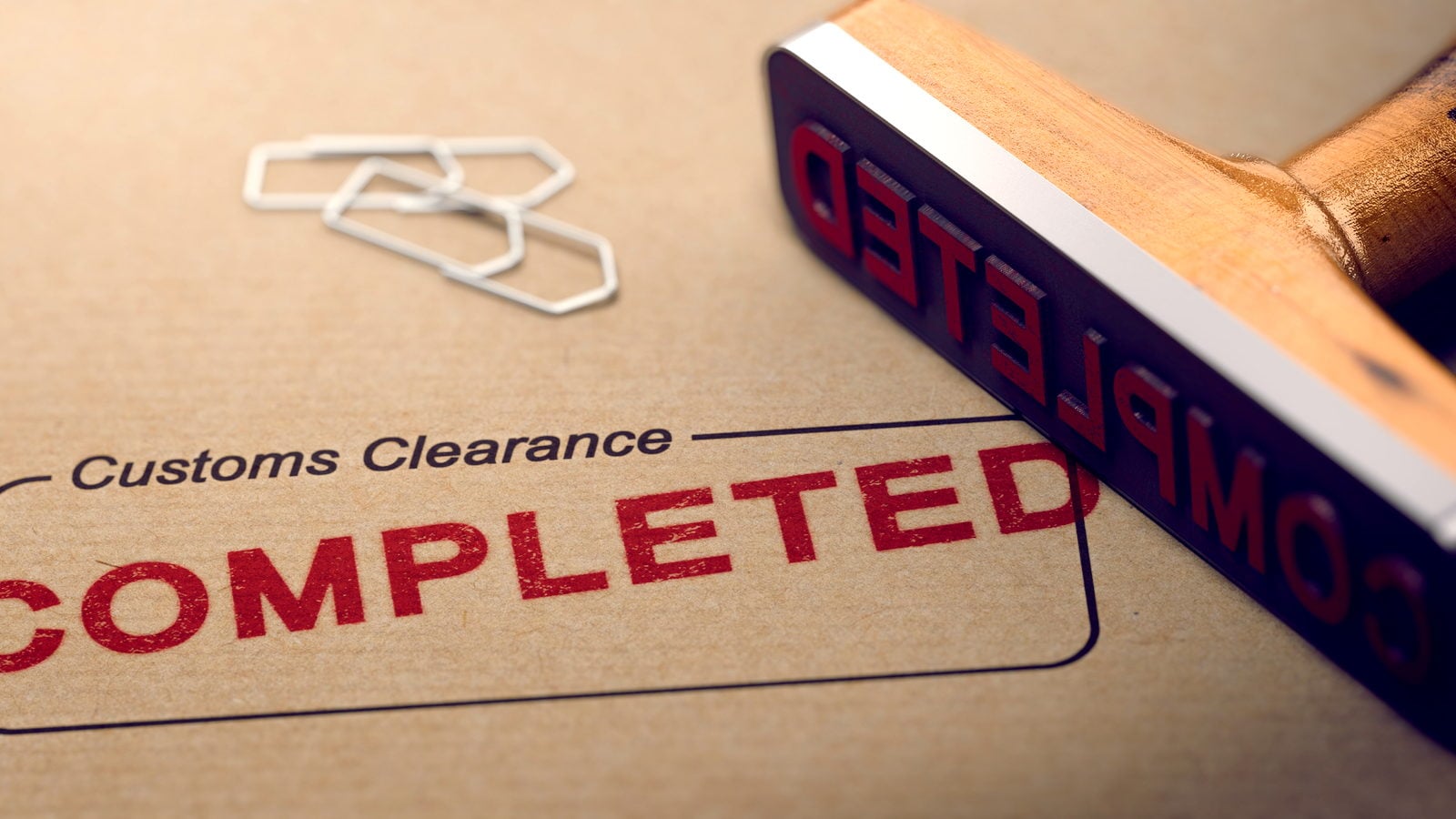
Many goods from China enter the European Union by rail through Małaszewicze. Now, a series of retroactive customs claims is causing unrest at precisely this location. Polish customs authorities are demanding additional import duties from European logistics companies, even though some goods were already cleared years ago.
According to FIATA, CER, CLECAT, and UIRR, this concerns shipments from the years 2021 to 2026. OLAF, the European Anti-Fraud Office, detected incorrect commodity descriptions and tariff numbers in several imports. In one example, electric bicycles were declared as spinning bikes. This apparently aimed to avoid additional anti-dumping duties, which are protective tariffs against particularly inexpensive imports.
According to CLECAT, the actual importers have in some cases disappeared or become insolvent. Therefore, the claims are now being directed against other participants in the supply chain: railway companies, freight forwarders, customs agents, border clearance providers, and warehouse operators. The associations speak of potential liabilities in the three-digit millions.
Who is liable depends on the individual order and the customs representation arrangement. According to Article 77 of the Union Customs Code, the declarant is generally the customs debtor. In indirect representation, the representative makes the declaration in their own name but on behalf of the importer. In such cases, both the representative and the importer can be jointly liable for the customs debt. Anyone who provided false information and knew or reasonably should have known that the information was false can also become a customs debtor.
The associations dispute that good-faith transport and logistics companies should be liable for fraud they neither committed nor could detect. They are calling on the EU Commission for uniform interpretation and to engage in dialogue with Polish Customs. A final solution has not yet been reached.
For practical purposes, this case is delicate. If such retroactive claims become widespread, service providers could refuse to make customs declarations at the EU external border or only accept them with high securities. This could lead to backlogs, longer waiting times, and higher clearance costs.