
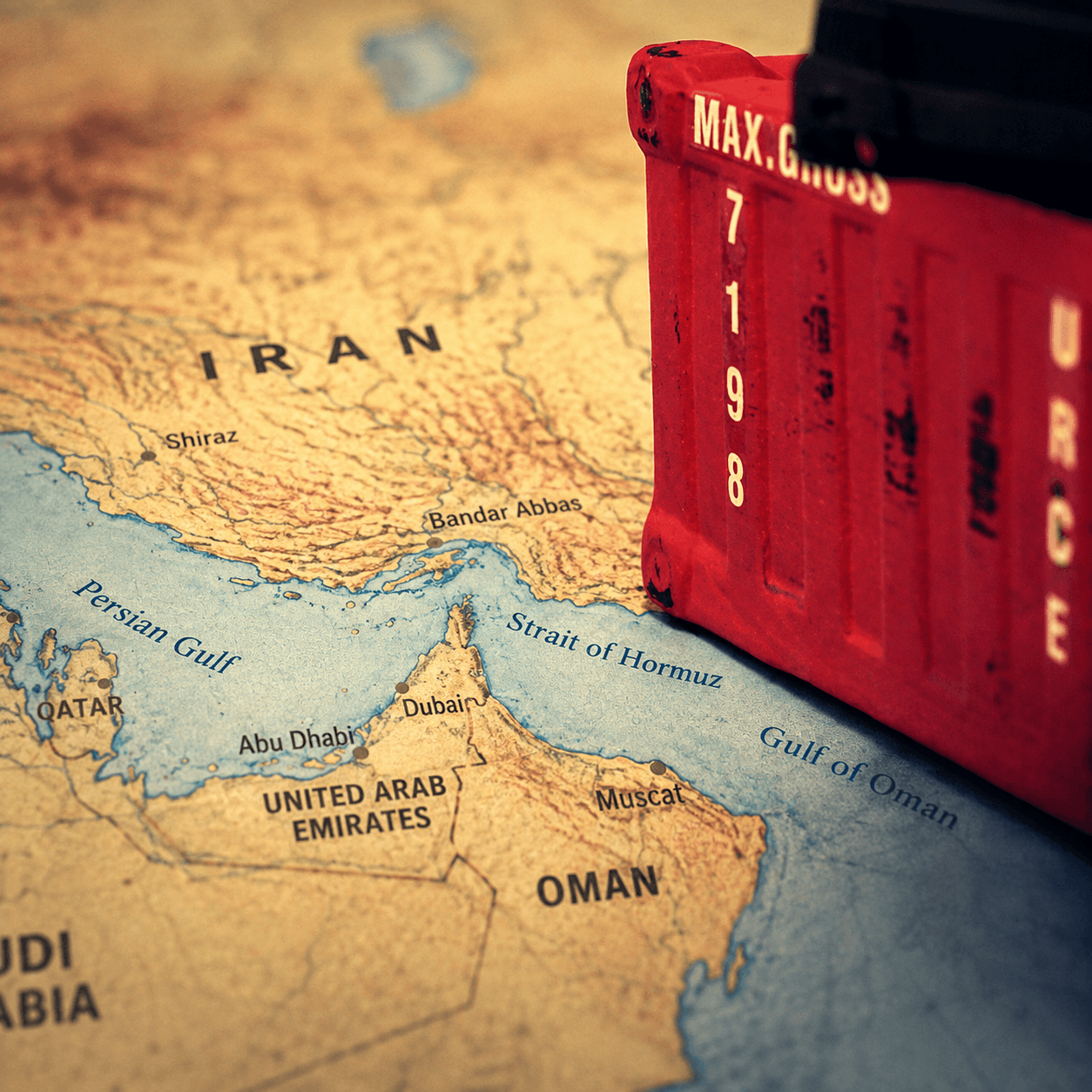
The Strait of Hormuz remains a very difficult passage for commercial shipping. On Sunday, only four transits were initially registered, compared to 13 on Saturday. For comparison: Friday also saw only 16 transits.
In the week through August 21, the UKMTO recorded 89 outbound and 103 inbound vessels via AIS. The authority describes the recorded traffic as approximately 90 percent lower than before the conflict.
However, these figures are not entirely accurate. Some vessels deliberately disable their AIS. Additionally, there are satellite navigation disruptions in the Gulf. Therefore, there could well have been more movements than are visible on the usual tracking systems.
The security risk also remains high. Since July 6, the UKMTO has reported a total of 23 incidents involving projectile impacts and damage to vessels in the Strait of Hormuz and its surroundings.
Since Monday, an additional problem has emerged: The USA has significantly tightened its Iran sanctions. OFAC, the sanctions authority of the US Treasury Department, has newly listed nearly 60 individuals, companies, and vessels. At the same time, foreign companies can now more easily be sanctioned if they support certain business activities in Iran's shipping, aviation, technology, gold, or digital sectors.
This is important for logistics. OFAC explicitly warns against payments or services related to transit through Hormuz. Even accepting certain Iranian insurance or passage services can trigger sanction risks.