
Since May 1, 2026, the EU Mercosur Interim Agreement will be provisionally applied. This marks the beginning of a new phase for trade between the European Union and the Mercosur countries Argentina, Brazil, Paraguay, and Uruguay. For exporters, freight forwarders, customs departments, and Latin America specialists, this is a significant topic, as many tariffs will gradually decrease or be eliminated entirely.
The agreement is not a minor technical step. It concerns an economic area with around 700 million people and is intended to significantly reduce trade barriers between Europe and South America. The EU already considers Mercosur an important market today. The European Commission cites EU goods exports to the Mercosur region of €55 billion for 2024 and service exports of €29 billion for 2023.
For freight forwarders, the reduction of customs duties is crucial. Many European products have previously been subject to high import tariffs in Mercosur countries. The EU Commission provides examples: cars with tariffs of up to 35 percent, machinery with 14 to 20 percent, pharmaceuticals with up to 14 percent, wine and spirits with up to 35 percent, chocolate with 20 percent, and olive oil with up to 31.5 percent. These tariffs will not be eliminated immediately across the board but will be reduced gradually, depending on the product.
This is precisely where logistics work arises. New customs preferences can only be utilized if the documents are correct. Exporters need to check whether their goods actually benefit from the agreement, what rules of origin apply, what evidence is required, and when each tariff reduction takes effect. Therefore, the agreement will become a topic of consultation for freight forwarders and customs agents, not just a freight topic.
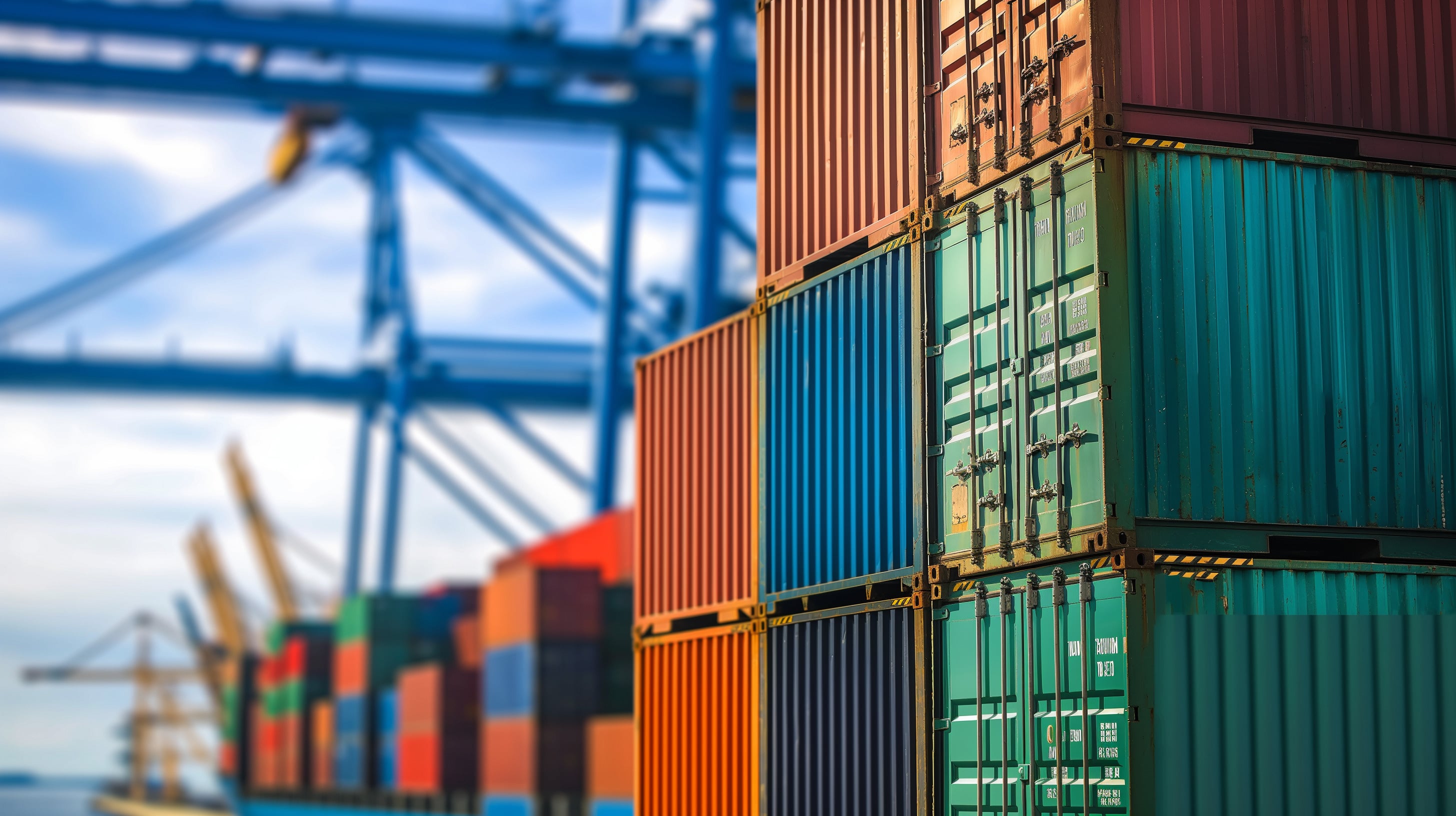
Particularly interesting areas include machinery, vehicle parts, chemicals, pharmaceuticals, food, beverages, consumer goods, and high-quality industrial products. As tariffs decrease, new supply chains can become viable. This relates to container traffic to Santos, Buenos Aires, Montevideo, Paranaguá, and other ports, as well as air freight for high-value or urgent shipments. For project logistics, spare parts, and industrial supplies, Mercosur could become more attractive.
The political context is also important. Reuters classifies the agreement as part of a broader EU strategy to secure new markets, reduce dependencies, and respond to U.S. trade policy and competition with China. At the same time, the agreement remains controversial. Critics in Europe warn of impacts on agriculture, beef imports, sugar, environmental standards, and deforestation.
For the logistics industry, both aspects count: opportunity and complexity. More trade means more shipments, more customs cases, more proofs, and more consultation. At the same time, stricter controls may be implemented, especially for sensitive agricultural products, foodstuffs, and goods with sustainability requirements. The European Commission states that EU food standards will continue to apply, and controls in exporting countries and at EU borders will be intensified.
The agreement is therefore not an immediate pass for problem-free trade. It is more of a starting signal. Those who understand early which products will benefit when, which customs preferences apply, and what documents are required can gain a competitive advantage. For freight forwarders with Latin America routes, this is an opportunity to transition from being merely a transport provider to a stronger focus on customs, compliance, and trade advisory.