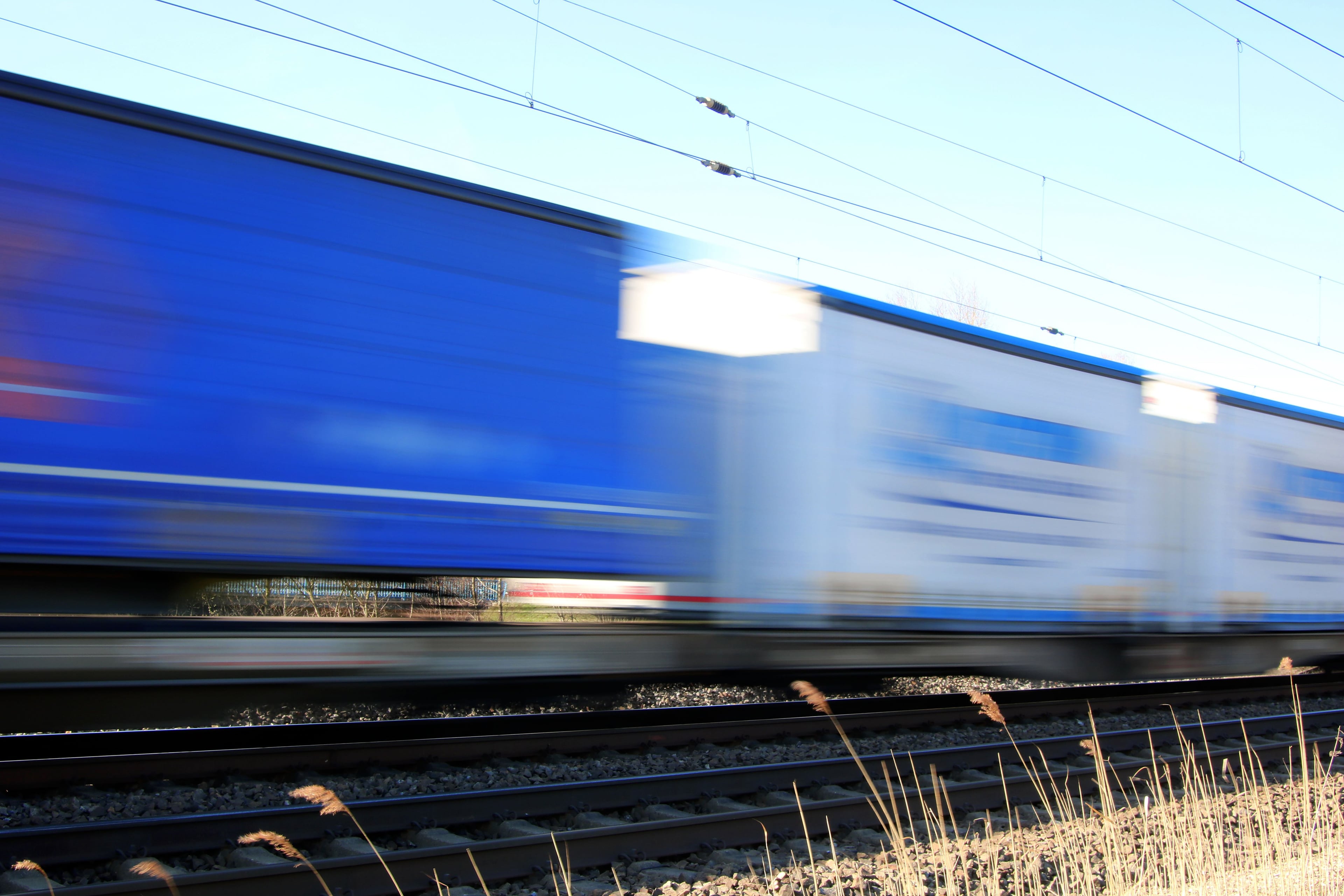
Germany aims to shift more goods to rail. However, this requires new tracks, longer overtaking lines, modern signal boxes, and powerful railway hubs.
Currently, there is a lack of financial security for these projects.
A response from the federal government indicates that more than 90 railway projects could face delays in the coming years. Some projects are still in the early planning stages, while others are significantly further along and have already undergone some design or approval planning.
The problem is straightforward: a railway project is not financed all at once. After each planning phase, a new agreement is needed for the next phase to begin. If this commitment is lacking, planners cannot simply continue their work.
This does not mean that all construction sites will come to a halt tomorrow. However, there is a risk that projects may stall between two planning phases, employees and planning offices may be reassigned, and the start of construction may be further delayed.
Among the affected projects are essential hubs, route expansions, and facilities for combined transport. Notable projects include those around Hamburg, Cologne, Frankfurt, and Munich, as well as expansions between Karlsruhe and Basel, Hanover and Hamburg, or Munich and Rosenheim.
For us freight forwarders, this is not merely a political sideline. If crucial routes and hubs are not expanded, bottlenecks will persist. Goods trains will have to wait, take detours, or may not even be scheduled due to lack of capacity.
Ultimately, this also impacts road transport. If the railways do not provide sufficient capacity, more goods will end up on trucks. Meanwhile, there are ongoing calls to shift transport to rail.
Therefore, the federal government must decide in the 2027 budget which projects will receive continued funding. Industry associations are demanding a long-term solution instead of ongoing rounds of financing from year to year.