GlossaryEN1 min readUpdated: Jun 24, 2026
Heavy Rail Freight Transport
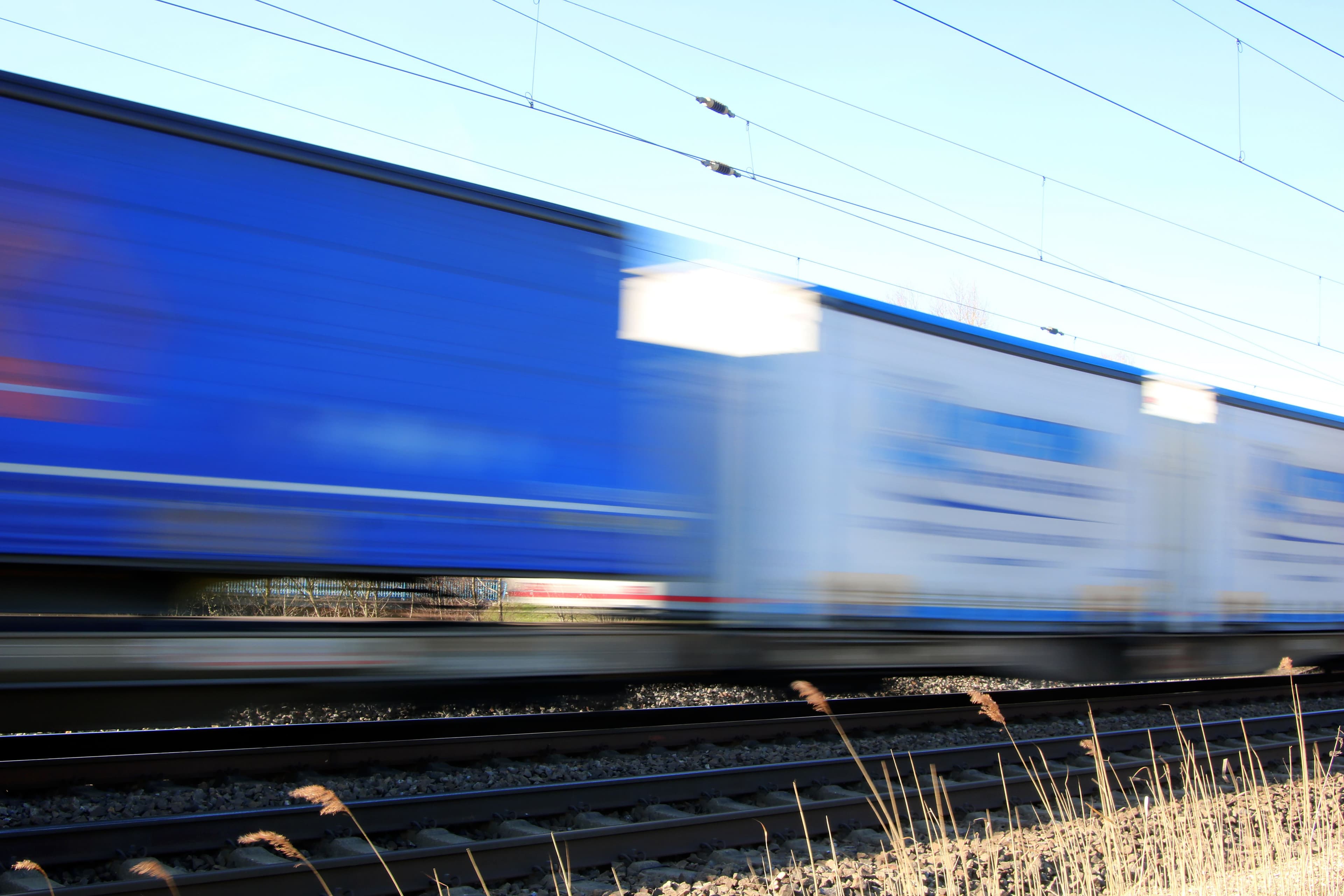
Heavy rail freight transport moves bulk commodities, intermodal containers, and outsize loads on mainline corridors using rolling stock engineered for high axle loads and long-distance hauls.
Quick Answer
Last updated: Published:
Source: https://ec.europa.eu/transport/modes/rail/rail_freight_en
Category
Logistics concept
Reading time
1 min
Words
97
Mentioned in
–
Definition & Explanation
Heavy rail freight transport moves bulk commodities, intermodal containers, and outsize loads on mainline corridors using rolling stock engineered for high axle loads and long-distance hauls. Minerals, ores, and standard containers are the dominant freight types; block trains – long consists operated without intermediate shunting – represent the most cost-efficient model, since marshalling adds both time and expense. At scale, heavy rail offers substantially lower energy consumption and carbon emissions per tonne-kilometre than road haulage. It is distinct from light rail and urban rail systems, which serve passenger flows or last-mile freight rather than mainline bulk movement.
Next steps
Matching tools and partners
Related Terms
You might also be interested in these terms
Related news
Logistics knowledge straight to your inbox
Free · No password · Never a paywall. Weekly top news and facts from logistics.
Community Questions & Answers
Share your knowledge, ask follow-up questions, or add practical insights to this page. Every contribution is moderated before publication.
No community answers yet. Be the first.