
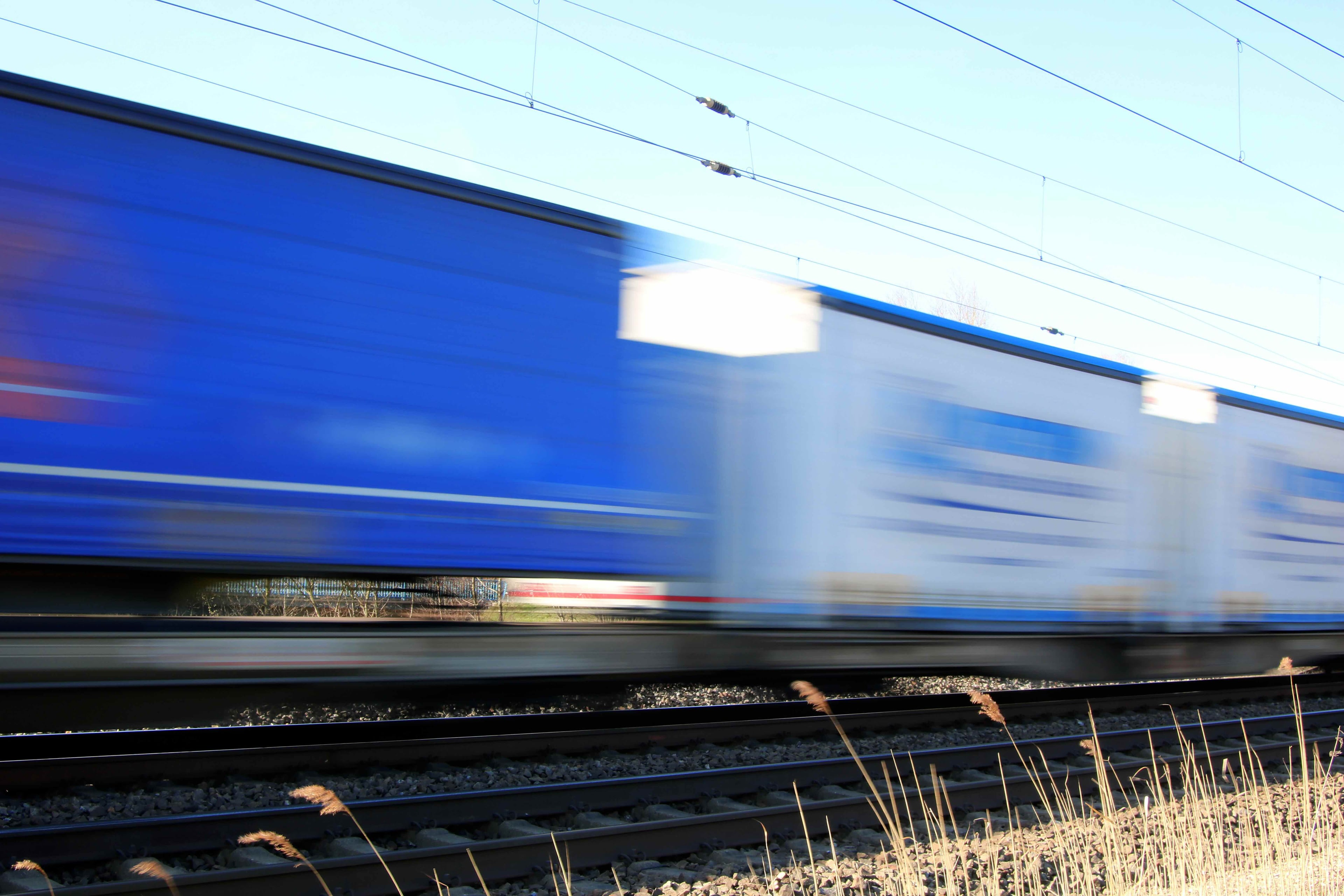
On Tuesday evening, June 23, rail transport in Germany suddenly came to a halt. The digital train radio system GSM-R failed nationwide. Trains were stopped at stations and on safe sections of track.
After about two hours, the technical disruption was resolved and some trains were able to resume operations. However, for freight transport, the situation was far from over.
Freight trains largely operate at night. This is precisely why the outage hit the industry particularly hard. On the morning of June 24, the association Die Güterbahnen reported that around half of its trains were still halted across Germany and at the borders.
The problem: a freight train does not simply restart after a disruption. Locomotive drivers, routes, terminals, and transfers need to be re-coordinated. If a train stands still for too long, it will be missing later at some other location.
This creates a backlog, which can be felt for several days. Containers arrive at terminals late, connecting trains are missed, and customers have to wait longer for their goods.
GSM-R is the radio communication between locomotive drivers and train dispatchers. Without this connection, rail traffic cannot continue normally for safety reasons. The fact that a single system can halt traffic throughout Germany raises questions about technical safety measures.