
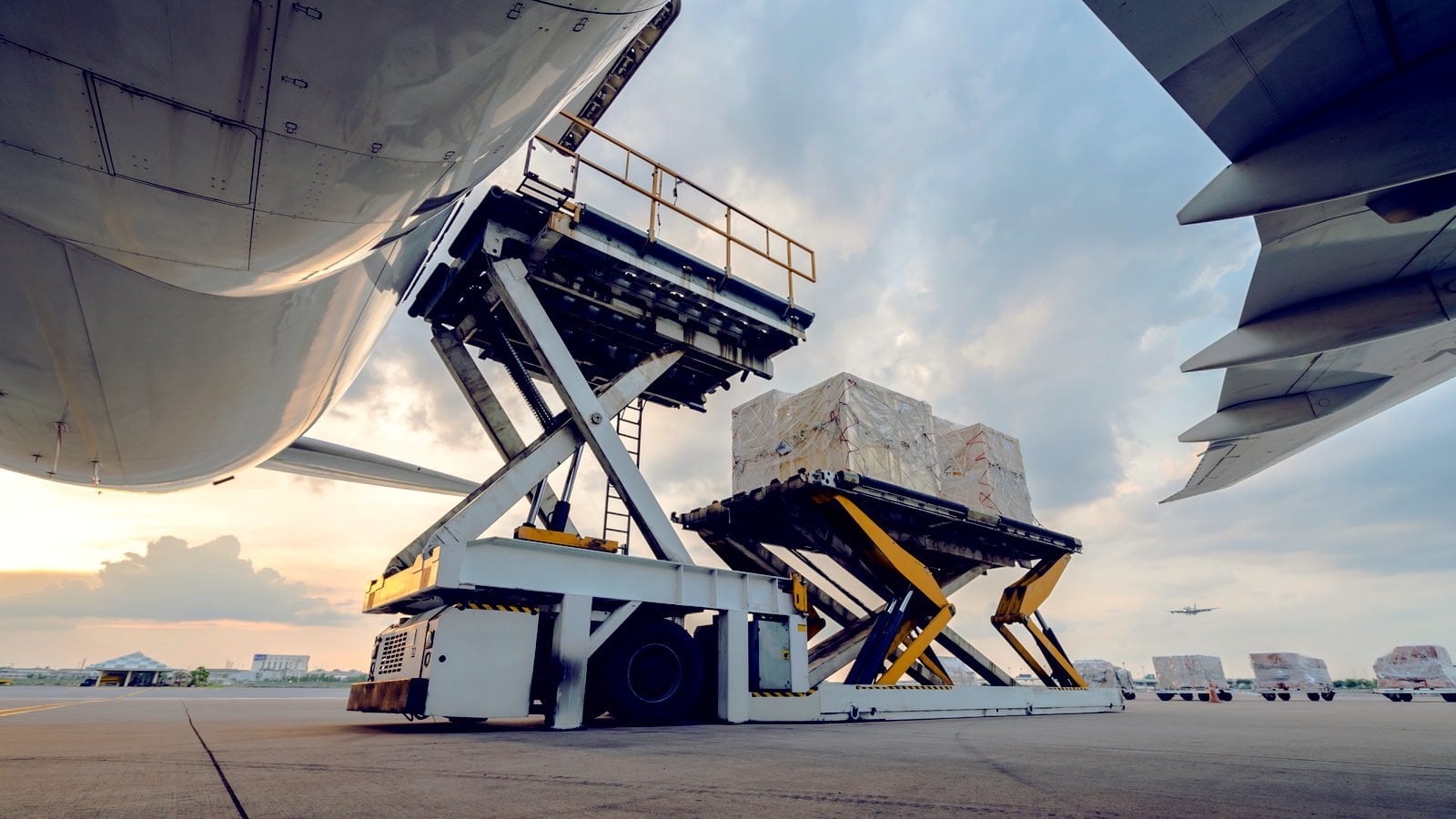
Emirates SkyCargo achieved significantly higher cargo revenue in the first half of fiscal year 2026/27. From April to September, approximately 1.2 million tonnes were transported. This was 1 percent less than in the previous year's period. Cargo revenue, however, increased by 52 percent. Source: Emirates Group
The company attributes this development to the conflict in the Gulf region. This resulted in a loss of air freight capacity in the market. At the same time, disruptions in sea freight triggered additional demand for air transport. Emirates itself expanded its cargo capacity in the half-year, among other things, through five newly delivered Boeing 777 freighters. Source: Emirates Group
The figures demonstrate: higher revenue does not necessarily require more tonnes. However, they do not indicate that every individual freight rate has increased equally. For a specific shipment, route, timing, available capacity, and the booked service remain decisive.
A second development is coming from Amsterdam. KLM Cargo intends to consolidate the handling of cargo from passenger aircraft and dedicated freighters in its own facility at Schiphol. This is intended to capture more transfer cargo and prepare operations for the new cargo terminal planned for 2035. Higher volumes are to be handled through simplified processes and greater automation without additional staff. Source: KLM
For freight forwarders, these are two different topics: Emirates focuses on market capacity and revenue, while KLM focuses on ground operations. A joint impact on all air freight rates is therefore not established.
In practice, dispatch should secure confirmed cargo space early and communicate handling instructions clearly. If the acceptance location changes, the delivering driver also needs the correct address and time. An announced consolidation is not in itself a reason to independently change existing delivery procedures. The current booking confirmation remains decisive.