
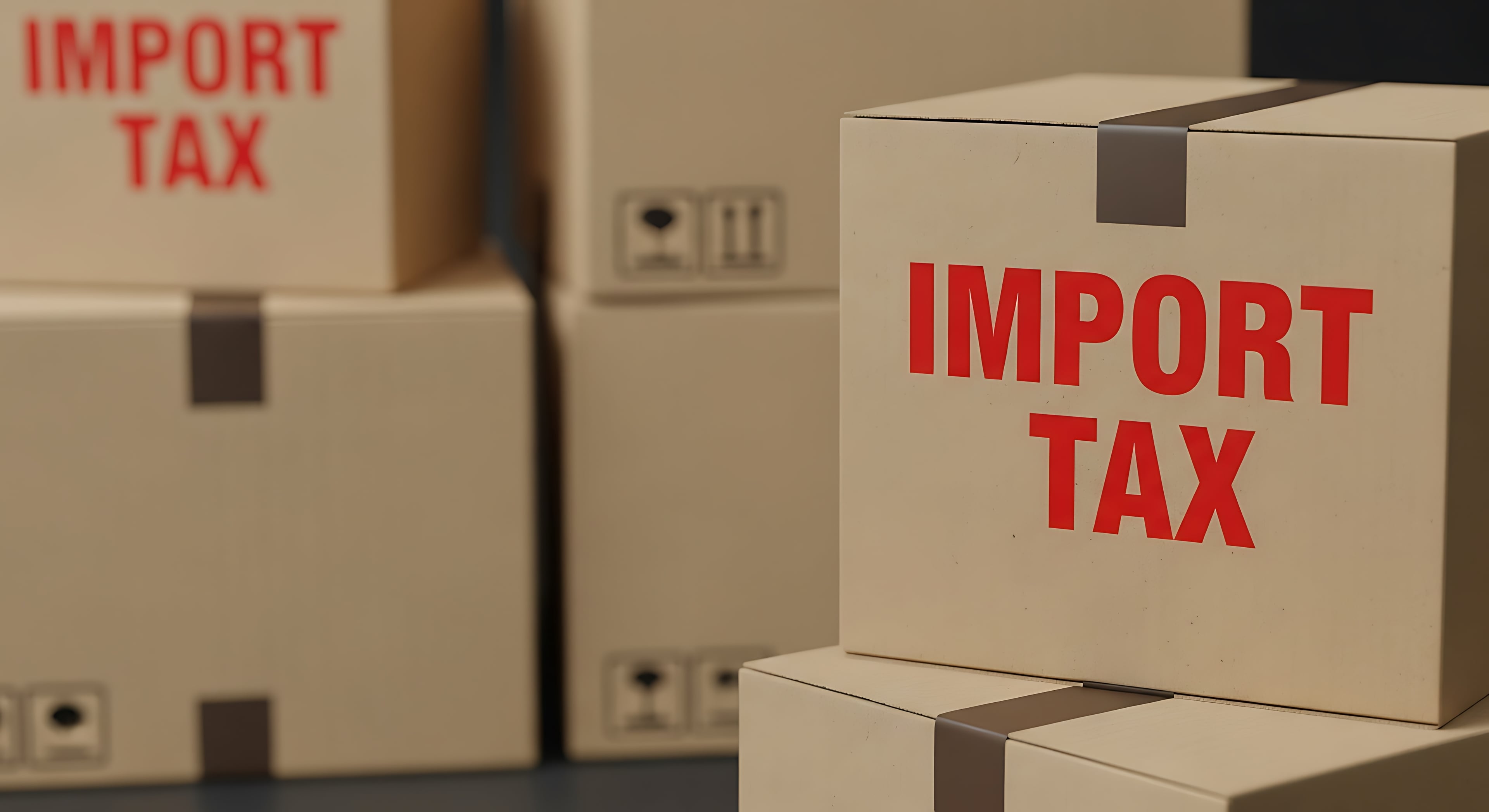
The EU plans to introduce a flat customs charge of 3 euros on affordable e-commerce shipments from third countries starting July 1, 2026. This will affect small shipments with a goods value of under 150 euros that are brought directly into the European Union. The focus is particularly on low-cost imports from China, including orders over platforms like Shein, Temu, AliExpress, and similar providers.
DHL, FedEx, and UPS are now warning against a hasty implementation of the new rules. According to Reuters, the three logistics giants have urged EU finance ministers to adopt a phased introduction. While the 3 euro fee is expected to commence as planned on July 1, 2026, more complex additional requirements, such as new data obligations and yet-to-be-finalized operational guidelines, should only be introduced when they can be implemented legally and technically smoothly.
The reason is simple. The volume of packages in cross-border online trade is enormous. The European Commission had previously pointed out that around 4.6 billion low-value shipments were expected to enter the EU in 2024. A significant portion of these shipments originates from China. This poses a substantial operational burden for customs authorities, parcel services, airports, hubs, and delivery networks.
The new charge is part of a broader EU strategy against cheap imports, product counterfeiting, unsafe goods, false value statements, and competitive disadvantages for European retailers. Until now, many shipments under 150 euros have benefited from simplified customs rules. This very threshold is now politically and regulatorily at the center of attention.
For the logistics sector, however, it is not just about 3 euros per shipment. What is crucial is whether the data quality, customs processes, and IT systems work effectively on time. If shipments cannot be properly declared, delays at EU borders, backlogs in parcel centers, manual reprocessing, and increased costs are likely to occur. This would be especially critical for time-sensitive shipments, spare parts, medical products, or B2B small shipments that often move through the same networks as regular e-commerce packages in everyday operations.
The warning from DHL, FedEx, and UPS is therefore less a resistance against the charge itself and primarily a signal regarding feasibility. The parcel services evidently want to prevent new rules from starting simultaneously with unclear detailed regulations, which could lead to operational bottlenecks.
For online retailers, platforms, and importers, the change means that inexpensive third-country goods will come under much stronger customs scrutiny starting summer 2026. Those selling goods in the EU will need to prepare for more precise data, better product descriptions, correct value declarations, and cleaner import processes. For consumers, inexpensive orders from third countries could become more expensive, slower, or face more transparent customs clearance.