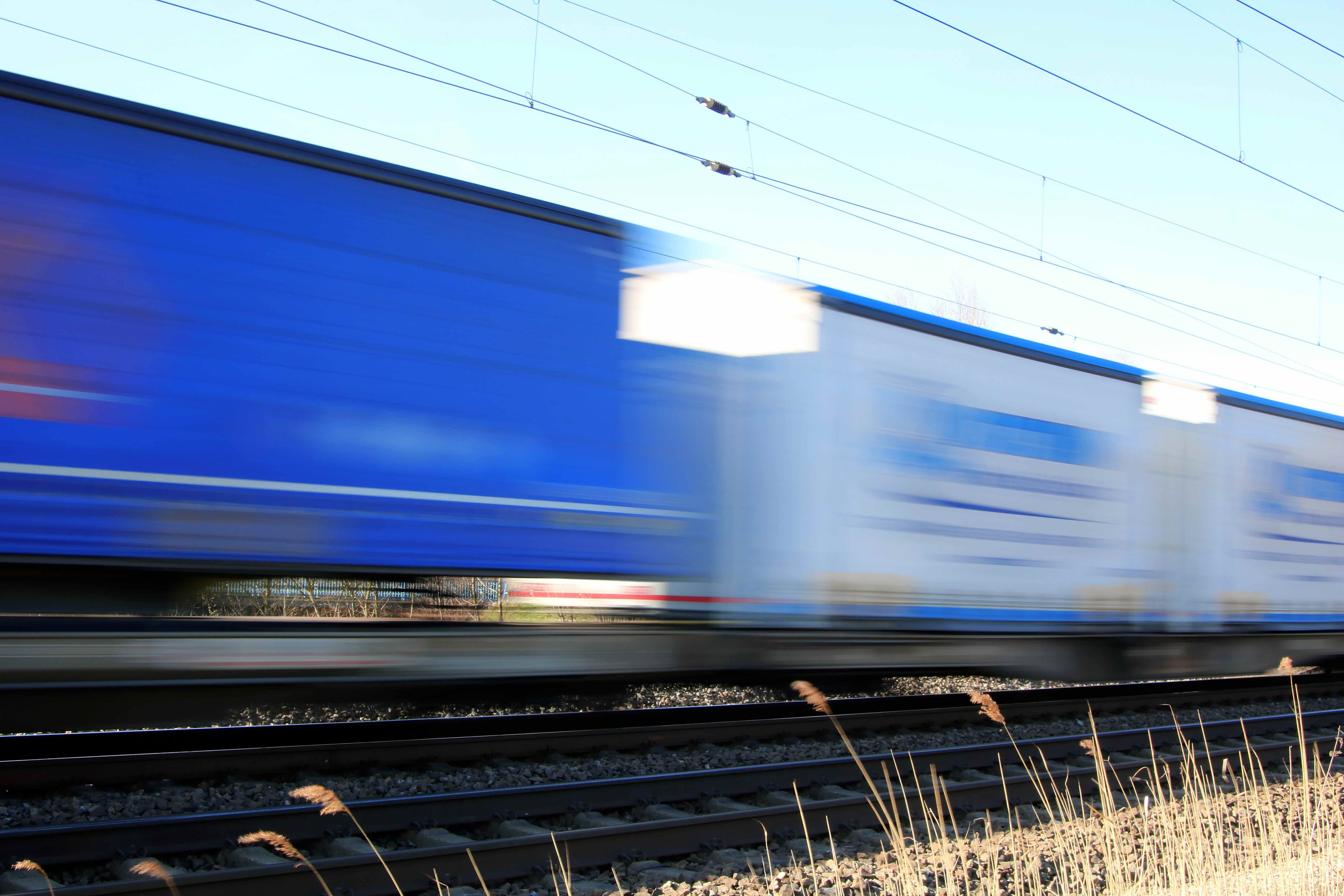
High diesel prices are once again driving movement in freight transport. When truck costs rise, shippers quickly look for alternatives. One of these is intermodal, which is the combination of rail and road.
According to Supply Chain Dive, rising diesel prices and a tighter truck market are making intermodal transport more attractive in North America. C.H. Robinson also reports that intermodal is becoming more cost-effective on more routes as truckload costs increase and diesel prices remain volatile.
This is not entirely new. Intermodal has always been interesting when large volumes need to be moved over longer distances. However, the pressure is new. Energy prices, geopolitical risks, stricter regulations, and a shortage of drivers make purely truck-based solutions more expensive and vulnerable.
The same applies to Europe. Here too, shippers are looking for more stable and predictable transport chains. Rail can help, especially on long distances, container traffic, hazardous goods, heavy cargo, and regular volumes.
For Switzerland, this topic is particularly interesting. With the NEAT, the Gotthard Base Tunnel, and a strong rail infrastructure, Switzerland actually has good conditions for combined transport. At the same time, practice shows: rail logistics only works when terminals, schedules, connections, and pre-carriage by truck are well coordinated.
The trend does not mean: everything suddenly goes onto the rail. But if diesel prices remain high and truck capacities become scarce, intermodal transport gains significance as an alternative channel.